Home › Blog › Best Time to Visit Guwahati: Seasons and Months
Best Time to Visit Guwahati: Seasons and Months

The best time to visit Guwahati is usually November to February, when the weather is better suited to outdoor plans and river outings. But the right month depends on what you want: cooler sightseeing, Bihu celebrations or green monsoon hills.
Guwahati’s Seasons: Weather, Rainfall and Climate
Guwahati has three broad travel seasons. Winter, from about November to February, is generally cooler and drier. Temperatures rise from March, while humidity and pre-monsoon storms can make April and May feel sticky. Rain has a bigger say in plans from June through September.
Climate summaries can hide the day-to-day changes. A winter morning may start with fog, then clear by afternoon. During the wet season, a sunny start doesn’t guarantee a clear evening. Check a short-range forecast before you set a fixed outdoor plan. You can check current conditions using a weather portal.
The contrast is sharp: July is one of the wettest months, while December is one of the driest. Use the seasons as broad planning cues, not a promise about the weather on your travel dates.
| Period | Planning signal | Good fit | Plan around |
|---|---|---|---|
| November to February | Cooler, drier stretch | City walks and river outings | Foggy mornings and busy holiday dates |
| March to May | Heat rises; April and May are humid | Early starts and evening plans | Midday heat and pre-monsoon storms |
| June to September | Rain shapes outdoor plans | Green hills and flexible days | Heavy showers and weather-dependent transport |
| October | Season shifts towards clearer days | Festival visits and outdoor time | Rain can linger in some weeks |
For a trip that starts with a flight, allow some flexibility between landing and your first outdoor activity. The Guwahati Airport guide can help you think through the next leg before you settle on dates.
Guwahati’s climate is shaped by a wet summer monsoon and a drier winter; general background information gives useful context. For most first-time visitors, November to February is the easier window. Choose a different season if a festival or lush scenery matters more than reliable outdoor hours.
Which Months Suit Sightseeing and Festivals?
November to February suits visitors who want to spend more of the day outdoors. January and February work well for walks and river plans, while March can still suit sightseeing if you start early. December is usually one of the driest months, though holiday periods can bring more demand for rooms and transport.
Here’s a month-by-month way to match activities to the season. The festival dates can shift each year, so check the current calendar before booking around an event.
| Month | Seasonal cue | Plan idea |
|---|---|---|
| January | Cooler, drier weather | River outings; Bhogali Bihu period |
| February | Good outdoor window | City walks and river outings |
| March | Days begin to warm | Start outdoor visits early |
| April | High humidity; Rongali Bihu | Keep sightseeing to mornings and evenings |
| May | Humid, with pre-monsoon storms | Plan one main outdoor stop at a time |
| June | Rain begins to shape plans; Ambubachi Mela | Check current conditions and event dates |
| July | Heavy rainfall | Keep plans flexible; enjoy green hill views when conditions allow |
| August | Rainy season | Mix indoor stops with short outdoor windows |
| September | Rain may continue, with clearer spells | Keep a backup plan for each day |
| October | Seasonal transition; Kongali Bihu | Look for clearer days and check festival dates |
| November | Cooler, drier weather returns | Plan longer outdoor days |
| December | Low rainfall | River outings and winter sightseeing |
April brings Rongali Bihu, while Bhogali Bihu falls in January. Ambubachi Mela takes place in June, and Kongali Bihu is associated with October. These occasions can change the feel of a visit and may make nearby travel busier, so confirm dates before you book.
April and May are better suited to early temple visits or evening walks than long midday routes. In July, heavy rain can interrupt a tightly timed itinerary, but the hills look greener. If you travel then, choose dates for the scenery and keep your schedule loose.
If your dates are fixed by a flight, meeting or family event, build sightseeing around that commitment. Hotel Shiny Grand is an airport-area option for travellers who’d rather stay near their arrival or departure point; direct bookings include breakfast, Wi-Fi, parking and a one-way airport transfer.
How Each Season Affects Attractions and Outdoor Plans
Winter makes it easier to give outdoor activities a full morning or afternoon. River cruises and ferry crossings are commonly planned in the drier months, though fog can affect the view early in the day. If you’re set on a river outing, keep some room in your schedule rather than placing it between two fixed appointments.
March to May calls for a different pace. See a temple or outdoor spot early, then leave the warmer part of the day for a meal or an indoor visit. April and May are humid, so even a short walk can feel tiring when the air is still. An evening visit may be a better fit.
Monsoon calls for flexibility, not automatic cancellation. From July to September, hills and countryside edges turn lush, which can be the main draw for travellers who enjoy green views. But rain can affect roads, viewpoints and river services. Check conditions close to the day, especially before setting off beyond the city.
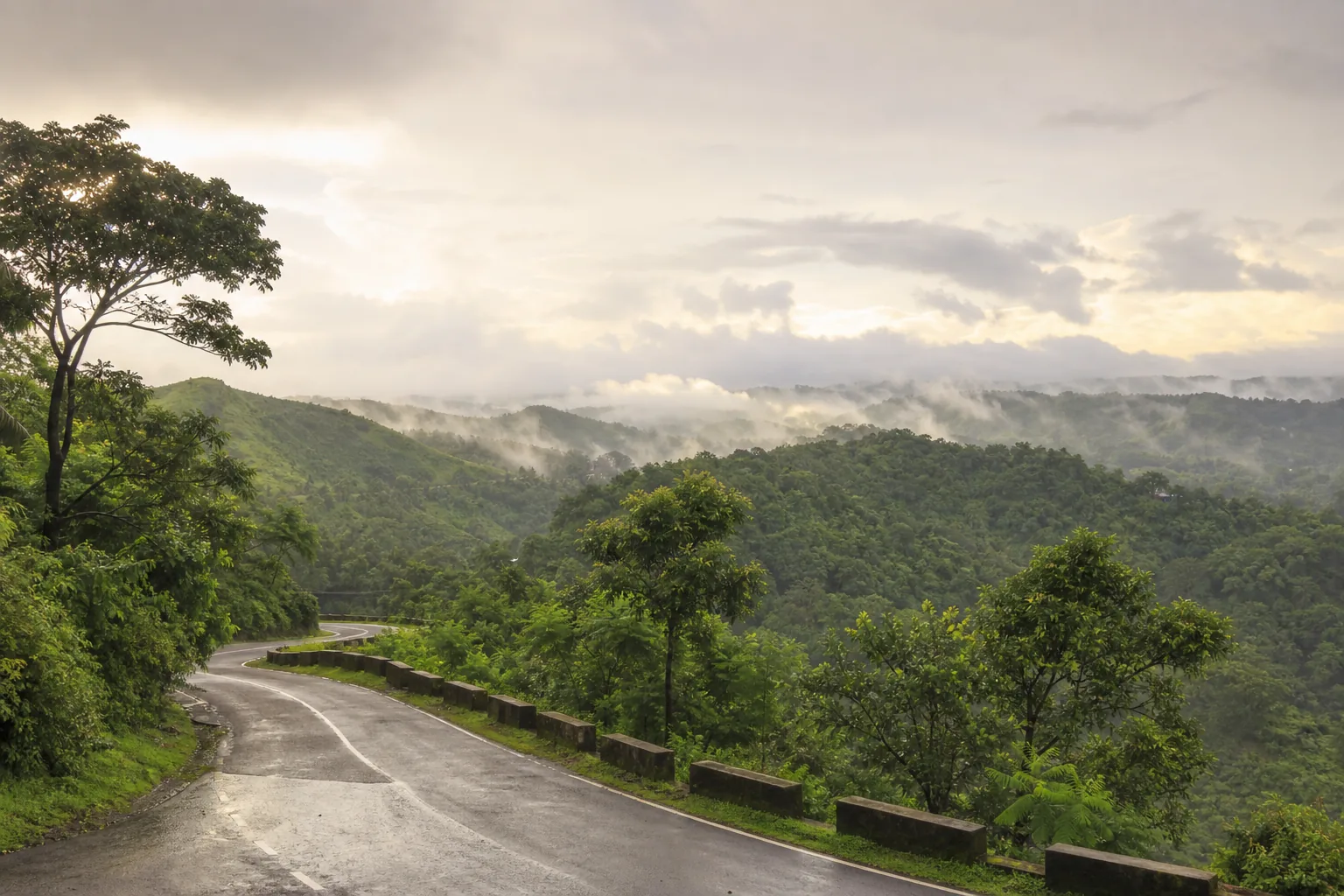
For a varied trip, pair one weather-sensitive activity with an indoor alternative. If the river is too unsettled for your plan, visit a museum or spend time in a market instead. Monsoon conditions can vary, but local conditions still decide what’s sensible on a given day.
October is a transition month. Some weeks feel ready for outdoor plans, while others still bring showers. It can suit travellers who can move a day trip by a day or two. No matter the season, follow local advice before using a ferry or heading onto a rain-affected road.
Seasonal Packing, Food and Usable Travel Planning
Pack for the month, but also for the difference between air-conditioned rooms and humid streets. In winter, bring a light layer for early starts. In April and May, choose breathable clothes and carry water for walks. During monsoon, use rain protection that leaves your hands free, and wear footwear with a firm grip.
- Winter: Keep a light layer handy for foggy mornings and river breezes.
- Pre-monsoon: Carry breathable clothing and plan outdoor visits early or late.
- Monsoon: Pack rain protection, keep plans flexible and check weather updates before travel.
Food can be part of the seasonal experience. Bihu periods bring their own local festive feel, while a rainy afternoon may call for a relaxed meal indoors instead of a long outing. Hotel Shiny Grand has an in-house chef-led kitchen and restaurant with Assamese and other dishes, plus in-room dining, which can be useful when you prefer to stay in during a shower.
Think about the travel day as well as the sightseeing day. If you’re connecting from the airport to onward transport, leave extra room for rain-related delays. The Guwahati airport bus service guide covers route and ticket planning; check current timings and conditions before setting out.
For a direct airport-area stay, Hotel Shiny Grand’s room details include the room options and direct-booking inclusions. Breakfast is served from 7:30 to 10:00 AM, so check that timing against an early departure. Share flight details when arranging the included one-way transfer.
For lower demand, consider dates outside major holidays and festival periods, but don’t assume every off-season week will be quiet. Rain can also mean a different kind of trip: fewer long outdoor plans, more flexibility and more time for food or indoor stops. For travellers with mobility needs, ask about access at each attraction and transport point before finalising a day plan; conditions can change with rain.
Frequently Asked Questions
Which month is best for Guwahati?
November to February is usually the best period for comfortable sightseeing and river outings. December is usually one of the driest months, while winter mornings can still be foggy. Choose April if Rongali Bihu is your priority, or the monsoon months if you want green hill views and can adjust plans around rain.
Is Guwahati worth visiting during the monsoon?
Yes, if you’re happy to plan around rain. The hills and countryside look greener from July to September, but outdoor transport and river plans can depend on the day’s conditions. Check weather updates before setting off, and keep an indoor activity ready in case a shower changes your itinerary.
What should I pack for Guwahati in winter?
Pack light layers for cool or foggy mornings, especially if you plan to be near the river early. The afternoon may feel warmer, so clothes you can adjust through the day are useful. Check the forecast shortly before you travel, since conditions vary by date.
When are Guwahati’s main Bihu festivals?
Bhogali Bihu is associated with January, Rongali Bihu with April, and Kongali Bihu with October. Festival dates and events can vary, so check the current calendar before booking. If a festival is central to your trip, allow flexibility around transport and accommodation.
Plan Your Guwahati Visit
For official information, see Assam Tourism.
Choose November to February for easier outdoor sightseeing, or pick a festival or monsoon month if that experience matters more to you. Check the forecast and event dates before confirming day trips, then review Hotel Shiny Grand’s direct-booking details if an airport-area stay suits your plans.
To book direct, visit Hotel Shiny Grand or WhatsApp +91 91815 56418.