Home › Blog › When to Visit Kaziranga: Seasons Explained
When to Visit Kaziranga: Seasons Explained
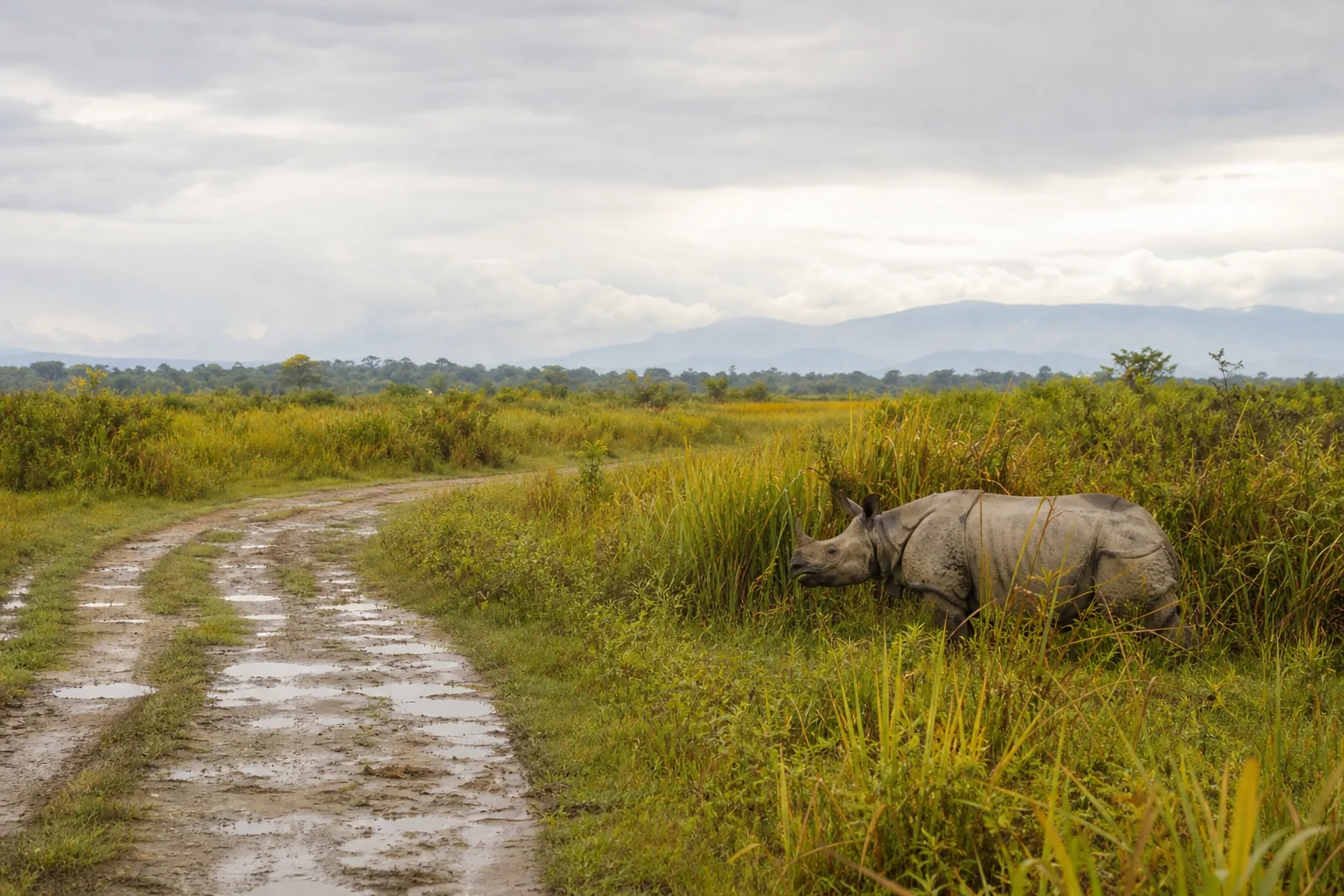
The best time to visit Kaziranga depends on what you value most: a quieter start to the season or cooler, drier weather. October can bring fewer visitors, while the winter months are more comfortable but busier, and monsoon rain can close the park.
Use the season guide below to set your dates, then confirm park access and safari details before you book travel.
How Kaziranga’s Seasons Shape a Visit
Kaziranga’s year has three broad travel periods: the early season around October, the cooler winter safari months, and the monsoon closure period. The boundaries aren’t identical in every travel summary, so treat month-by-month dates as a planning guide, not a promise of access.
October is the shoulder period to watch. Seasonal summaries mark it as quieter than the winter peak, with an average temperature of about 30°C and around 100 mm of rain. Access can depend on how quickly local tracks and routes are ready after the rains, so check current notices before you commit to a safari date.
November through February is cooler and much drier. Temperatures are shown in a broad range of 5°C to 25°C, with monthly rainfall around 8 to 20 mm. That weather suits longer outdoor days, but the cooler months also draw more visitors. Demand can be higher around popular travel dates.
May through September brings heavy monsoon rain, with seasonal figures ranging from 220 mm to 340 mm. The park is generally closed during this period. October sits close to the transition, so never assume that a particular gate, range or safari route has opened without checking the latest official update.
| Travel period | Typical conditions | Planning decision |
|---|---|---|
| October | About 30°C and 100 mm of rain; quieter conditions are reported | Check opening notices and route access before fixing safari plans |
| November to February | About 5°C to 25°C and 8 to 20 mm of rain; higher visitor demand | Pack a warm layer and reserve key travel dates early |
| May to September | Heavy rain, around 220 to 340 mm; park closure is typical | Plan another destination or move the trip outside the closure period |
The seasonal trade-off is simple: October may feel less busy, while winter has the more settled, cool-weather conditions. Kaziranga is a UNESCO World Heritage Site, recognised for its wildlife and grassland habitat.
Wildlife viewing can’t be guaranteed by choosing one month. Give yourself enough time for more than one safari if your schedule allows, and follow the guide’s directions inside the park.
Cooler Months: Comfort, Wildlife Viewing and Demand
November to February is a sound choice if you want cooler days and less rain. Morning air can feel cold, especially before the sun warms the grasslands, so pack a light jacket or warm layer for the safari vehicle. By midday, conditions may be milder.
Winter is also the busier stretch. If your dates are fixed, make your travel and safari arrangements early and check the rules for the specific date you plan to visit. A popular month doesn’t mean every safari slot or route will suit your plans.
Wildlife sightings remain a matter of chance. One-horned rhinoceroses are a key reason people visit, but seeing one is never assured. Stay quiet, listen to your guide and keep a respectful distance from wildlife. Binoculars can help you watch animals without asking a vehicle to move closer.
For photography, take a lens cloth and keep camera gear protected from dust or a sudden shower. In winter, early light can be soft, but fog or haze may affect visibility. Keep spare batteries warm and ready. October’s changing weather calls for a protective cover and patience if the light shifts.
Safari formats can vary by date and current park arrangements. Visitors may see jeep and elephant safaris discussed in travel planning, but don’t assume both are running when you arrive. Check which options are available through current official information, then follow the stated booking process and park rules.
Seasonal summaries also mention birdwatching and the Kaziranga Elephant Festival during the busier months. If one of these is part of your reason to travel, confirm its dates and arrangements separately; don’t assume an activity runs every day of the season.
For safari timings, zones and booking details, check current park instructions for your travel dates.
For most visitors, the decision comes down to comfort versus crowd levels. Pick winter if dry, cooler weather matters most. Consider October if you value a quieter start and can keep your plans flexible.
Monsoon and Seasonal Closures: What to Check
Heavy monsoon rain usually closes Kaziranga from May through September. The Brahmaputra and its surrounding floodplain are part of the area’s seasonal pattern, and high water can affect access. Don’t plan a safari in the closure period based only on a general travel calendar.
October needs its own check. It’s a transition month, not a guaranteed opening date. A park notice may set the actual start of visitor access, and the opening of one route doesn’t automatically mean every safari area is ready. Confirm the current status shortly before travel.
Use this short check before you finalise your booking:
- Confirm the park’s opening status for your exact dates.
- Check which safari formats and routes are operating.
- Verify the current booking method, entry rules and charges.
- Allow room in your schedule for rain or a change in access.
If the park is closed, treat that as a firm itinerary change rather than a reason to travel to the gate and hope for access. You can shift the safari to an open period or use the days for another part of Assam. For general monsoon planning across the region, carry rain protection and check road conditions close to departure.
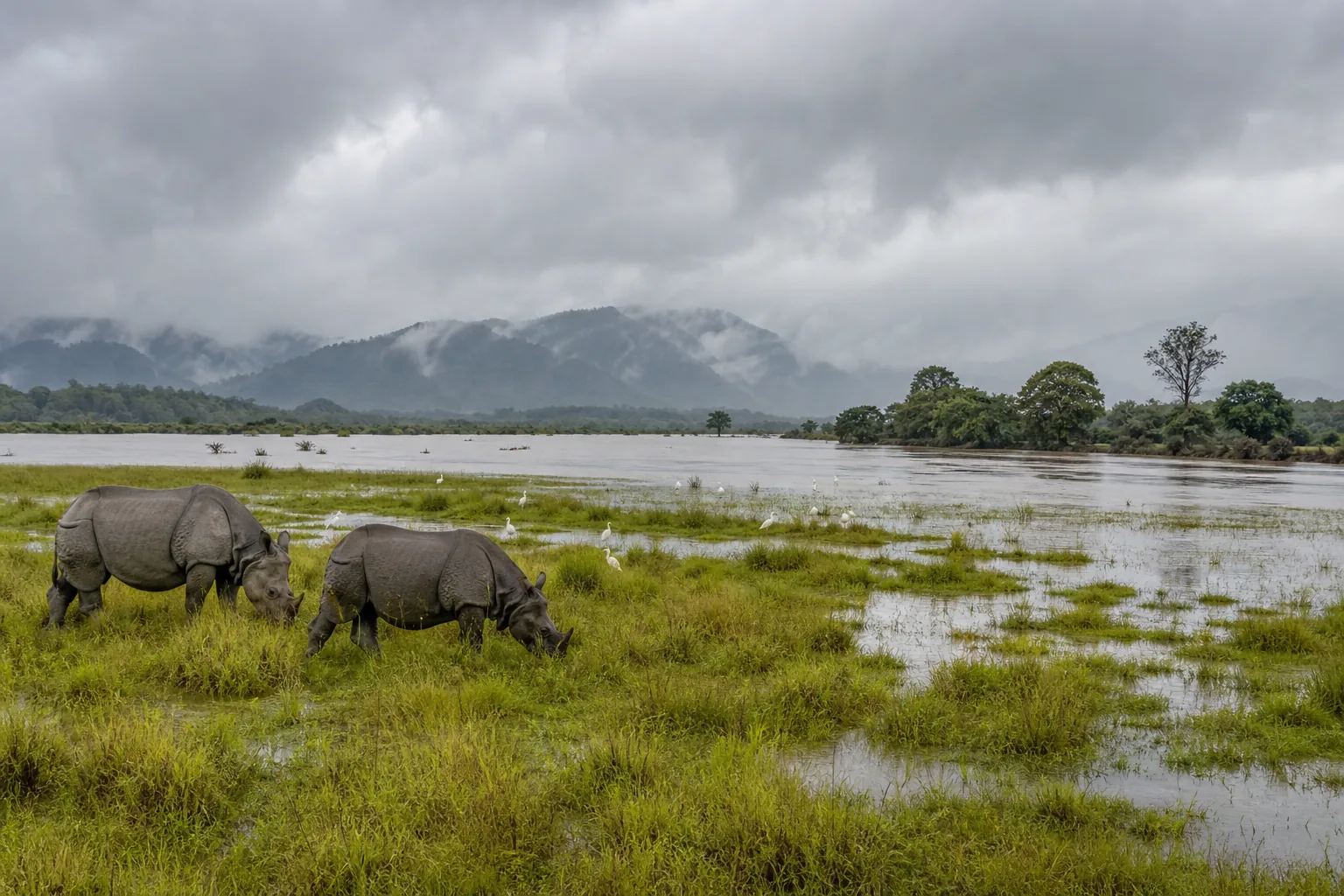
Take care with advice that gives a fixed reopening day far in advance. Seasonal patterns help you choose a likely travel window, but the park’s latest notice should decide whether you book that safari.
Match Your Travel Dates to Safari Plans and the Guwahati Journey
Work backwards from the safari you want. First confirm that the park is open. Then check the available safari timing and the journey needed to reach the park. Leave a buffer rather than planning a tight connection on the same day as your first safari.
Guwahati is a common arrival point for visitors travelling into Assam. If you’re arriving by train, confirm your station and onward road arrangements against your ticket and current transport details.
Think about the length of your stay in terms of pace. A two-day visit can focus on the safari you’ve confirmed, with time for the journey in and out. Three days gives you more room to adjust if weather or access changes. A longer Assam trip can add other stops, but don’t crowd several long road legs around a single safari booking.
Budget for the parts that depend on your itinerary: park entry, safari arrangements, a guide where required, road transport and accommodation. Check current charges before you pay. These costs can vary by date and arrangement, so an old estimate may not fit your trip.
Accommodation may be available in and around the park area, while some travellers choose to stay in Guwahati before or after the safari. Your choice affects how much time you spend on the road and how much rest you get before an early start. Compare the location with your confirmed safari point, rather than choosing a room by name alone.
If your flight begins or ends the trip, plan that night around the airport timetable. Hotel Shiny Grand is near Guwahati Airport and can suit travellers who want to stay close to the airport before or after an Assam journey. Direct bookings include breakfast and a one-way airport transfer; check the hotel’s current details when planning. The Guwahati Airport guide can help you think through that part of the route.
For a safari, follow park guidance on waste and wildlife. Keep rubbish with you until you can dispose of it properly, avoid loud noise and don’t feed animals. These small choices help keep the visit respectful and reduce disturbance.
Frequently Asked Questions
Which month is best for visiting Kaziranga?
October may suit visitors who prefer a quieter start to the season, while November to February tends to bring cooler, drier weather. October access can depend on current opening notices, so confirm the park’s status before booking. If you value settled weather more than fewer visitors, choose a winter date and check safari availability early.
Is Kaziranga open during the monsoon?
Kaziranga is generally closed from May through September because of heavy monsoon rain. Conditions and dates can vary, so check the park’s current notice before making travel plans. October is a transition period; don’t assume safari routes have reopened simply because the rains are easing.
Can I see one-horned rhinoceroses in Kaziranga?
You may see one-horned rhinoceroses on a safari, but no month or safari can guarantee a sighting. Wildlife moves freely, and visibility changes with weather and habitat. Follow your guide’s instructions, stay inside the authorised vehicle or area, and give animals space.
What should I pack for a Kaziranga safari?
Pack comfortable clothes for changing temperatures, a warm layer for cool early starts and rain protection if you’re travelling near the seasonal transition. A camera cover and binoculars may help. Keep your belongings secure and follow the current park rules on what visitors may carry.
How many days should I plan for Kaziranga?
Two days can work for a focused visit if your safari and road journey line up. Three days leaves more room for delays or a change in access. If you have a longer Assam itinerary, keep travel days separate from safari time where possible, and confirm your route before fixing each overnight stay.
For official information, see Assam Forest Department guide to reaching Kaziranga and Incredible India: Kaziranga National Park.
Conclusion
Choose winter for cooler, drier conditions, or consider October if you can be flexible and want a quieter start. Before you set off, confirm the park’s current opening and safari arrangements. If your trip includes an airport stay in Guwahati, you can book directly with Hotel Shiny Grand or ask about a stay by WhatsApp at +91 91815 56418.