Home › Blog › Hotel Breakfast Menu Ideas for Indian Guests
Hotel Breakfast Menu Ideas for Indian Guests
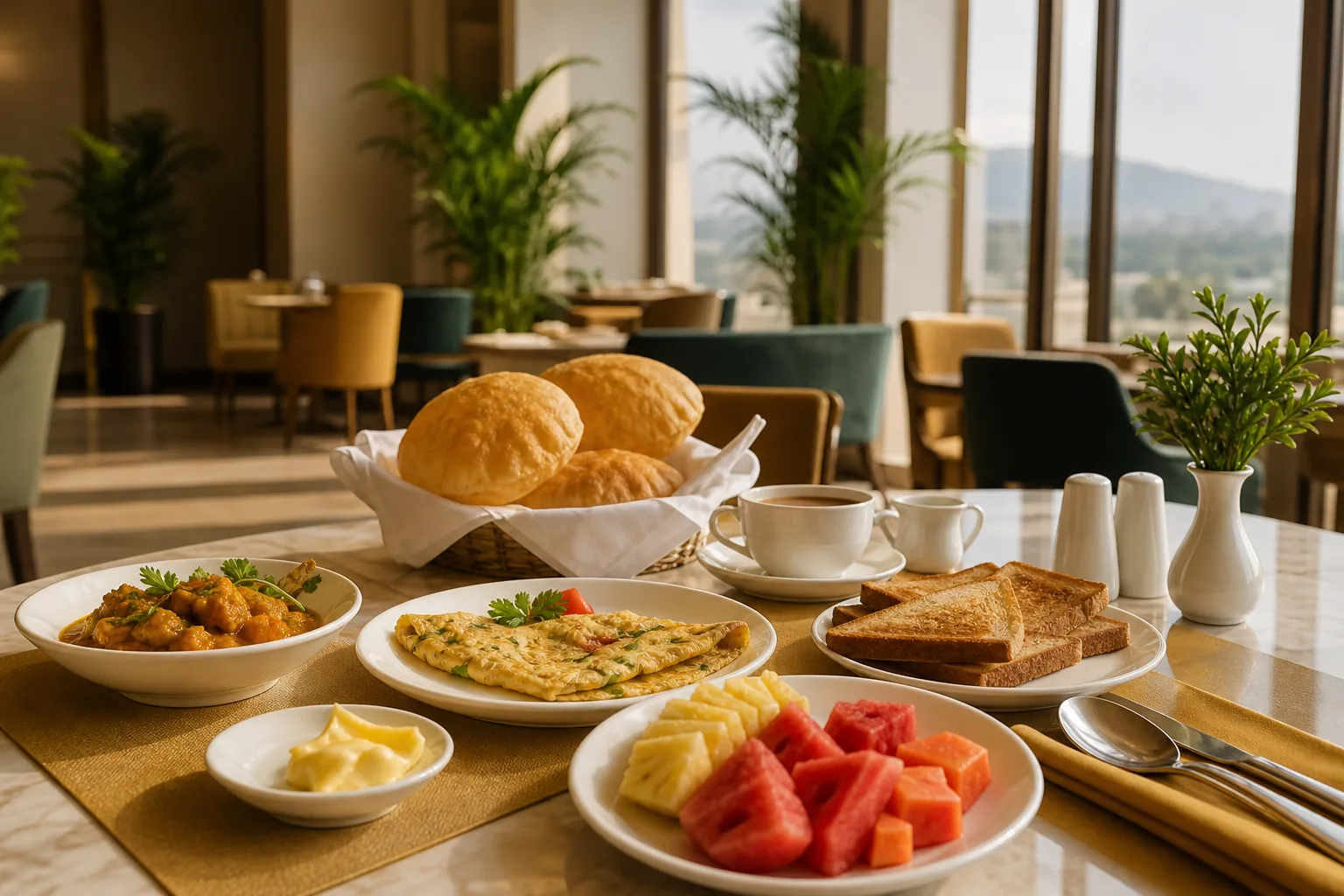
Good hotel breakfast menu ideas make room for different appetites without slowing the kitchen. A useful menu can pair familiar Indian favourites with lighter choices, clear dietary labels and a service style that fits the guest count.
We analyzed 37 comments and questions from Reddit, Quora and YouTube about hotel breakfast menu ideas and found that 24% asked about common breakfast items.
A Balanced Breakfast Menu: Familiar Indian Favourites
Start with dishes guests know, then add a few lighter options. That gives early-flying guests a quick plate and gives people with more time a reason to sit down.
For a compact Indian breakfast menu, consider one filling hot dish, one egg choice, bread or toast, fruit and a few drinks. Poori sabji is a familiar hearty option. Bread omelette works for guests who want eggs with toast, while boiled eggs are easy to serve as a simpler choice.
Keep the menu balanced by giving each dish a clear job. A hot, filling choice anchors the meal. Seasonal cut fruit adds a fresh option. Toast or cereal with milk can suit guests who prefer a lighter start or need to leave soon.
Hotel Shiny Grand’s restaurant menu includes options such as poori sabji, bread omelette, boiled eggs, bread toast and cereals with milk. The menu page gives guests a view of the kitchen’s listed dishes and item prices, which range from ₹20 to ₹360. Check the Hotel Shiny Grand restaurant menu when you want to see its current selection.
For an Assamese touch, consider a small regional choice alongside familiar staples, such as a simple jolpan-style serving with chira, curd and jaggery. Keep it distinct from the main hot dishes so guests can spot it easily and choose the portion that suits them.
Eggs can be useful for variety because the same basic ingredient can be served in different ways. Offer one or two preparations rather than a long list that strains the morning prep. Pair an egg choice with toast, fruit or a vegetable side so the plate has more than one texture and flavour.
Plan for guests who want a small breakfast, too. A bowl of fruit with tea or coffee may be enough before an early departure. The right mix is not the biggest spread. It is a few well-chosen plates that cover different needs without leaving the kitchen with too many half-used ingredients.
Regional and Global Flavours for a Varied Menu
Regional and global dishes can sit on the same breakfast menu when each has a clear place. Keep the base familiar, then rotate one or two choices that bring a local or international note.
In Guwahati, a regional feature could draw on Assamese breakfast customs, such as chira with curd or a local rice-based snack. Keep it simple to serve and explain the dish in plain words. Guests who have not tried it should know whether it is sweet, savoury or served with a topping.
Menu planning should reflect the place as well as the guest mix. Visitors learning about Assam may consult a tourism website. A hotel can use local context to shape a small rotating special without turning breakfast into a themed spread that needs a new kitchen workflow each day.
Global choices work best when they share ingredients or prep steps with existing dishes. Toast, eggs, fruit and cereal can support a simple continental-style plate. A Mediterranean-inspired option might use bread with vegetables and a savoury topping, but keep the dish name honest and list the ingredients guests need to check.
Think in menu roles, not cuisine labels alone. A light, cold choice helps guests who do not want a hot meal. A cooked savoury dish suits those looking for something filling. A sweet item can be a modest extra rather than another full station.
Rotation keeps the menu fresh without multiplying the prep list. Keep a stable set of core items each day, then rotate one regional dish or one global flavour. If a dish needs a special ingredient, check that it can be used elsewhere before adding it to the breakfast plan.
Seasonal fruit is one of the simplest ways to add a local feel. It changes with availability and needs little explanation. Serve it on its own or beside a hot dish, and avoid making it the only lighter choice if guests also need a non-fruit option.
When the menu includes regional names that may be new to visitors, use a small label with the dish name and a plain description. That makes the choice easier for guests who are travelling through Assam and may not know what to expect.
Dietary-Aware Choices Guests Can Identify Easily
Guests should be able to tell what a dish contains before they take it. Clear labels help people make their own choices and give staff a simple way to answer questions.
Use plain labels such as vegetarian, contains egg, contains milk or contains wheat only when the kitchen has checked the recipe and serving method. A dish’s name is not enough. Bread, sauces and toppings can change what is in a plate, so keep labels tied to the ingredients actually used.
For guests seeking plant-based food, consider a fruit choice, plain cereal served without milk or a suitable savoury dish. Confirm the ingredients before labelling any item vegan. Butter, curd, milk and some sauces can make a dish unsuitable even when its main ingredient is plant-based.
For gluten-aware guests, identify dishes that contain wheat and keep bread separate from other foods. Don’t promise that a dish is gluten-free unless the kitchen can verify both the ingredients and the way it is handled. Guests with allergies should be able to ask a staff member for a direct answer.
Food handling needs to be part of the plan, not a last-minute note. Keep food-safety information available alongside your kitchen’s own food-safety procedures for storage, preparation and service, and train staff to follow them consistently.
Low-sugar choices can include unsweetened tea or coffee and fresh fruit without added syrup. Don’t describe a dish as low-sugar unless its recipe supports that claim. If a guest asks about calories, give a figure only when the kitchen has a reliable recipe calculation for that specific serving.
Dietary labels work only when the full serving process supports them. Use separate serving spoons where needed, keep toppings identified and tell staff how to handle questions. If the kitchen cannot confirm a dietary claim, say what is in the dish instead of making a promise.
Guests may also have preferences that are not formal dietary needs. Some avoid spice in the morning; others want a filling plate before a long journey. A mild choice and a more strongly seasoned one can cover those preferences without requiring a separate dish for every request.
Keep a short ingredient reference at the service point so the team can answer routine questions. Review it when a recipe or supplier changes. That small handoff prevents yesterday’s label from being used for today’s changed dish.
Buffet, À La Carte and Made-to-Order Ideas
The service style should match the number of guests, the time they have and the kitchen’s ability to keep food fresh. A buffet gives guests choice. À la carte service lets the kitchen prepare a smaller set of dishes as orders come in.
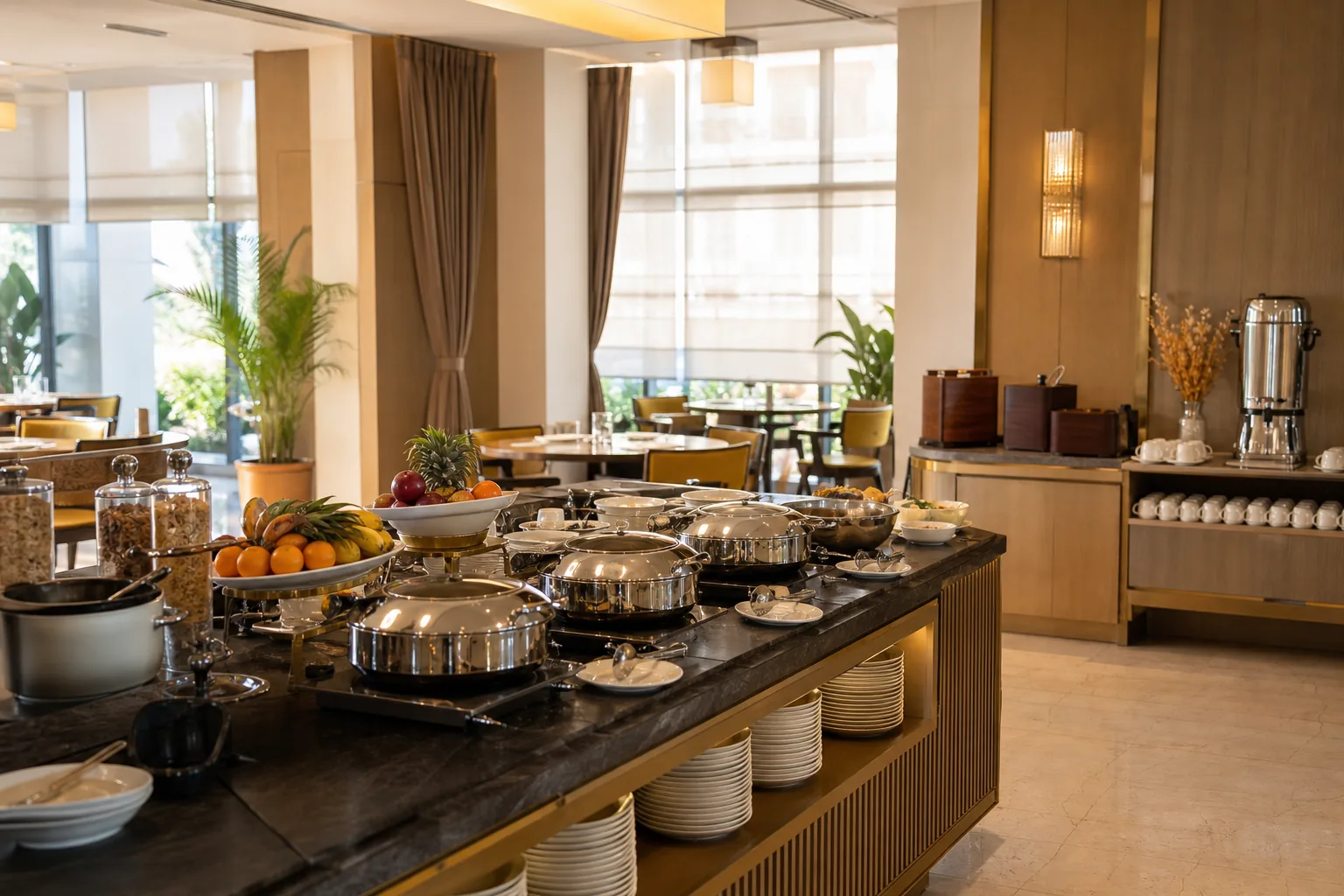
For a buffet, group foods by type so guests can move through the spread without stopping to work out what goes where. Keep hot dishes together and place fruit, bread and drinks where they are easy to reach. Labels should face guests rather than the kitchen team.
Keep buffet choices focused. Too many dishes can slow replenishment and leave small amounts of food sitting out. A short menu that staff can refresh on time usually works better than a broad spread that is hard to keep consistent.
À la carte service suits a smaller breakfast operation or a menu with a few made-to-order plates. List the available choices clearly, then set realistic preparation steps for each one. Eggs cooked to order can feel personal, but the kitchen needs a plan for handling several orders at once.
A made-to-order counter can be simple. Guests choose a listed egg style or select from a small set of toppings. Keep the choices limited enough for the cook to work at a steady pace, and tell guests when a dish may take longer than a ready-to-serve item.
Hotel Shiny Grand serves breakfast through its in-house chef-led kitchen and restaurant, with complimentary breakfast on direct bookings from 7:30 to 10:00 AM. That fixed window is a useful reminder to make service hours easy to see, especially for guests planning a morning departure.
For a small guest count, a plated breakfast can reduce buffet handling and help the kitchen manage portions. For a larger group, a buffet may make more sense if the menu can be replenished in manageable batches. In either case, decide who checks the food and who answers guest questions before service begins.
Use the room layout to support the service. Put plates at the start of a buffet line. Keep drinks from blocking access to hot dishes. If guests collect their own tea or coffee, leave space for cups and condiments without making the main food line harder to move through.
Test the full service flow before opening. Walk through it as a guest would. Check whether the menu labels can be read, whether serving spoons are easy to find and whether staff can reach the food without crossing the guest path.
Seasonal Sourcing, Budget and Waste-Smart Planning
A menu is easier to manage when it uses ingredients across more than one dish. Before adding a new breakfast item, check whether its main ingredients can also be used elsewhere in the kitchen.
Seasonal fruit is a good place to start. Choose what is available and in good condition, then update the menu description as the selection changes. That avoids promising a specific fruit when supply shifts and gives the kitchen a simple way to vary the plate.
Keep a record of what is prepared and what returns unused. The point is not to make guests feel watched. It is to spot dishes that are consistently left behind, then adjust batch size or replace an item that does not fit the guest mix.
Batch cooking can help reduce waste, but it needs a rhythm. Prepare a smaller first batch for the start of service, then replenish based on demand. Staff should know who checks the buffet and when, so food does not sit untouched while the kitchen assumes someone else is watching it.
Use overlapping ingredients with care. Eggs can support more than one breakfast dish, while bread can serve toast or accompany an omelette. But do not add dishes just because their ingredients overlap. Each item still needs to earn its place by being easy to prepare and useful to guests.
For clearer cost control, separate the cost of ingredients from the work each dish needs. A dish that uses inexpensive ingredients may still take too long to prepare during a busy service. A simpler item that is easy to portion can help the team keep the line moving.
Hotel Shiny Grand’s online menu shows item prices across its chef-led kitchen and restaurant selection. For any hotel menu, clear prices help guests understand whether a dish is part of a room package or ordered separately. Put the terms where guests can see them before they choose.
Plan for predictable changes in demand. A weekday breakfast may have more guests leaving for work or flights. A weekend can bring families who want a slower meal. Keep the core choices stable, but review prep volumes against the actual booking pattern rather than cooking the same amount by habit.
Waste-smart planning also depends on storage and safe handling. Keep the kitchen’s standard food-safety steps in place when making smaller batches or using ingredients across dishes. Never keep food past the time or conditions approved by the kitchen’s own procedures.
Direct bookings at Hotel Shiny Grand include breakfast, alongside Wi-Fi, parking and a one-way airport transfer. Guests checking what their stay includes can review the direct booking details before choosing a room.
Polished Presentation, Drinks and Consistent Service
A polished breakfast does not need elaborate decoration. Clean serving ware, clear labels and food that looks freshly replenished do more than a crowded display.
Use plates and bowls that suit the food. Keep fruit in a clean, easy-to-serve dish. Wipe spills as they happen, and replace serving spoons if they fall or become messy. These small checks shape how the whole spread feels to a guest.
Drinks deserve a clear place in the plan. Tea and coffee are familiar choices for many Indian guests. Milk and fresh juice can add variety. Keep hot and cold drinks apart, and place cups, glasses and any condiments close to the matching station.
Pair drinks with the food rather than treating them as an afterthought. Tea works with toast or a savoury plate. Coffee may suit guests who want a lighter start. Milk can sit beside cereal, while juice fits a fruit-led breakfast. These are suggestions, not fixed rules; guests should be free to choose.
Menu labels can include a short taste cue, such as mild, savoury or sweet, if the kitchen can keep that description accurate. Avoid claims about health or nutrition that the recipe has not been checked to support.
Consistency comes from a simple service brief. Before breakfast opens, the team should know which dishes are ready, what needs replenishing and who handles ingredient questions. Keep the plating style steady, even when different staff members are on shift.
For airport guests, make the breakfast hours visible before they sit down. Guests with an early departure may need to plan around the service window. Hotel Shiny Grand lists breakfast from 7:30 to 10:00 AM for direct bookings, so guests can check the timing against their morning plans.
The hotel arrival and departure details can also help guests plan around their stay. Clear information about check-in, check-out and breakfast hours reduces last-minute questions at the front desk.
Before service, taste each hot dish and check that the menu label matches what is on the counter. During service, assign one person to watch the display and another to help guests where staffing allows. At closing, note which items ran out early and which needed little replenishment.
Frequently Asked Questions
What should a hotel breakfast menu include?
A hotel breakfast menu should include a filling Indian option, a lighter choice and drinks. Many menus can also include eggs, toast or cereal, plus fruit when it suits the season. Keep the selection small enough for the kitchen to prepare and replenish well. Add a regional dish or a global-style plate when it fits the guest mix.
How can a hotel make breakfast more suitable for different diets?
A hotel can make breakfast easier to handle by listing ingredients and clear dietary labels that the kitchen has checked. Mark common items such as egg, milk or wheat where relevant. Keep serving tools clean and separate when needed. If staff cannot confirm a dietary claim, they should describe the ingredients instead of making a promise.
Is a buffet or made-to-order breakfast better for a hotel?
Neither style is best for every hotel. A buffet gives guests a choice of ready-to-serve items, while made-to-order service lets the kitchen prepare specific dishes when guests request them. The right fit depends on guest numbers, kitchen capacity and the time available. Choose the style the team can serve consistently.
How can hotels reduce breakfast food waste?
Hotels can reduce breakfast waste by preparing a smaller first batch, replenishing as demand becomes clear and noting which items are left over. Use seasonal ingredients where they fit the menu, and keep the number of choices manageable. Review the prep plan against guest demand instead of making the same amount every morning.
Should a hotel list calories for breakfast dishes?
A hotel should list calories only when it has a reliable calculation for the specific recipe and serving. Recipes can change when ingredients or portions change, so old figures may mislead guests. If calorie information is not checked, a clear ingredient list is more useful than an estimate presented as fact.
Conclusion
Build breakfast around a few familiar dishes, one lighter choice and a service style your kitchen can manage well. Then review the menu after service and adjust the prep based on what guests actually choose. Guests planning a stay can check direct booking details at Hotel Shiny Grand.
To book direct, visit hotelshinygrand.online or WhatsApp +91 91815 56418.