Home › Blog › Hotel Restaurant GST Rate in India: Rules & Rates
Hotel Restaurant GST Rate in India: Rules & Rates
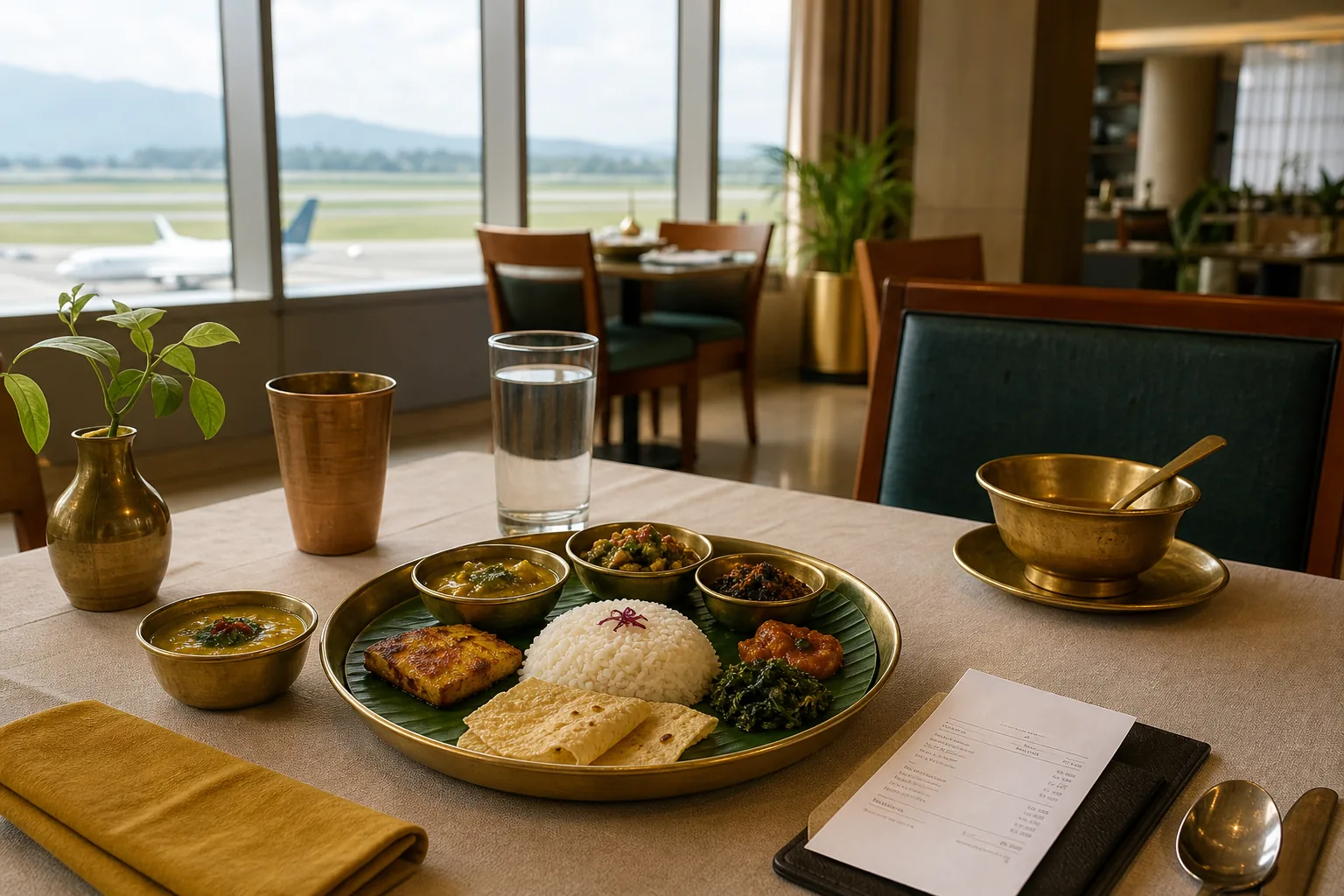
A meal bill at a hotel can carry a different GST treatment from the room bill, even when both are paid together. The hotel restaurant GST rate depends on the service and the hotel’s GST classification, so check the invoice rather than assuming one rate applies to everything.
Which GST rate applies to a hotel restaurant?
There isn’t one GST rate for every hotel restaurant in India. Restaurant service is generally taxed at 5% without input tax credit, while service at a restaurant in a specified premises can be taxed at 18% with input tax credit. A specified premises is a hotel where any unit of accommodation was supplied above Rs 7,500 per day in the previous financial year, or one that has opted in. So the classification of the premises matters, and so does the current rate notification.
Hotel accommodation has its own rate structure. The Government of India says accommodation priced at Rs 7,500 per unit per day or less is taxed at 5%, without input tax credit. That rate applies to the room supply, not automatically to every meal sold by the hotel. The Government’s GST rate announcement sets out the lower accommodation tier.
For a restaurant bill, identify whether the service is being supplied by a restaurant in a specified premises. Don’t decide from the guest’s room charge alone. A guest might book a lower-priced room at a property whose restaurant treatment still depends on the property’s GST status. The business should confirm its classification against the applicable notification and keep that decision on file.
The tax amount depends on the applicable rate and the food cost. The correct rate must be established before the bill is prepared.
Hotel Shiny Grand has an in-house chef-led kitchen and restaurant, and provides GST invoices for its hospitality services. A GST invoice confirms that tax is being billed; it does not, by itself, tell a guest which rate applies to each line. Check the rate and service description on the itemised bill.
Use the linked rate-change document to check notified changes behind hospitality rates. For a business, use the notification and the actual premises classification, not an old menu template or a guess based on room price.
How room tariffs and separate food bills affect GST
Room tariffs can affect accommodation GST and may also be relevant when deciding whether a hotel is a specified premises. But a guest’s food bill should still show the restaurant service as its own supply when it is billed separately. Paying for dinner at checkout does not automatically turn dinner into room accommodation.
Keep the distinction clear in the property’s records. A room invoice should identify the accommodation charge and its applicable tax. A restaurant invoice should show the food service, taxable value and rate. If the guest receives a combined folio, the separate items should remain understandable.
For example, say a guest has a room charge and orders a meal. The room charge follows the accommodation rate that applies to that unit. The meal follows the applicable restaurant-service treatment. Adding the amounts together first and applying one tax rate to the full total can produce the wrong result.
For operators, the tariff used to classify a property should be supported by the relevant records and checked against the current GST notification. Don’t treat a guest’s discounted price, a room-only price, or a meal-inclusive package as automatically interchangeable. Where a package combines accommodation and food, ask a GST professional how the supply should be classified and invoiced.
Guests can make a quick check too. Look for separate room and food entries, then compare the tax shown on each line. If the invoice uses one combined amount, ask for an itemised bill before submitting it to your employer or accounts team.
Hotel Shiny Grand’s direct room rates are listed with taxes extra. Guests planning a stay can review the hotel room cancellation policy and stay details alongside the quoted room price. The room rate is not a substitute for checking the food tax on a separate order.
When the room and meal are bought together as a package, keep the booking confirmation and final tax invoice. They help explain what was sold if the guest’s finance team asks why the room and food lines carry different tax treatment.
GST registration for hotels with in-house restaurants
A hotel that sells rooms and food needs to establish whether GST registration applies to its business. The answer can depend on aggregate turnover, the nature of supplies and the rules that apply to the state and business. A hotel should not assume that room sales and restaurant sales can be assessed in isolation.
There is no safe one-size-fits-all turnover figure to apply without checking the business facts and current rules. Before registration, ask a chartered accountant or GST adviser to review the entity, locations, turnover and services. This matters if a hotel runs more than one type of operation, such as accommodation, room dining, event catering or meeting packages.
What to prepare before applying
- Confirm the legal name and constitution of the business.
- Gather the principal place of business details and proof.
- Keep the PAN and authorised signatory details ready.
- List the hotel’s activities, including room stays, food service and events.
- Confirm the business’s expected tax treatment with an adviser.
The application is made through the GST registration process, with the business details and supporting records submitted for review. Once registered, check that the legal name, GSTIN and place of business shown on invoices match the registration details. Staff who prepare bills should know which service codes and tax rates the accountant has approved.
A chef-led kitchen and restaurant inside a hotel still needs clear accounting. Separate sales records for room stays and food make it easier to review turnover, refunds and tax charged. If a banquet event includes hall use and catering, retain the signed quote and final itemised bill so the nature of the supply is clear.
Hotel Shiny Grand has an in-house chef-led kitchen and restaurant, and offers GST invoicing for its rooms, food and banquet services. For guests, that means they can request a tax invoice suited to their travel or event records. For operators, it is a reminder to make the invoice setup cover every service line the business sells.
Registration is only the start. The business also needs a repeatable process for rate updates, invoice checks and return filing. Assign one person to own the monthly hand-off to the accountant, even if the final filing is handled externally.
Invoices, returns, records and late-filing consequences
Good GST compliance starts at the point of sale. An invoice should identify the supplier and customer where required, describe the service, show its taxable value and state the applicable tax. The business should use the GSTIN and invoice details that match its registration, then keep a copy with the related booking or event record.
Hotels commonly work with sales data from more than one desk. The front office may record room charges, while the kitchen records food orders and the events team handles catering. If these records don’t reach the accounts team in a consistent format, returns can miss sales or report the wrong value.
Set a regular close-out routine. First, match room and restaurant sales to the billing system. Then check credit notes, cancellations and advances. Once the totals have been reviewed, share the reconciled figures with the person preparing the returns.
Registered businesses generally report outward supplies through GSTR-1 and discharge or report tax liability through GSTR-3B, as applicable to their filing frequency and circumstances. Filing duties and dates can vary. Check the applicable official filing information and your accountant’s filing calendar for the dates that apply to your registration.
Late filing can lead to late fees and interest, depending on the return and circumstances. A missed return can also disrupt the business’s record trail and create extra work when a customer asks for a corrected invoice. Don’t rely on memory for due dates. Use a calendar reminder and keep proof of each filing and payment.
Keep invoices, credit notes, payment records, booking confirmations and return workings in an organised file. For a banquet, retain the quote that describes the hall and catering arrangement, plus the final invoice. For a guest meal, keep the order and bill details together if a correction is made.
When a return needs correction, don’t alter the original record without a clear audit trail. Record what changed, why it changed and which document supports the correction. A small, dated note can save time when the same bill is reviewed months later.
Input tax credit and the effect of GST on menu prices
Input tax credit, or ITC, lets an eligible registered business set off GST paid on eligible business inputs against its output tax. It is not available in every rate category. The lower 5% accommodation rate described by the Government comes without ITC, and restaurant service at 5% is also generally without ITC. The rate chosen affects both the customer bill and the hotel’s tax cost.
For an operator, the basic trade-off is easy to see. A business charging a rate without ITC cannot simply claim back GST on eligible purchases in the same way as a business in an ITC-allowed category. When a higher rate permits ITC, the business must still meet the relevant conditions and maintain the records that support the claim. Don’t assume that every purchase invoice qualifies.
Menu pricing should start with the amount the guest is meant to pay, then account for the applicable GST treatment. At a 5% rate, tax raises the total above the listed food price. At an 18% rate, tax raises it further. These are simple illustrations, not a statement that either rate applies to every meal.
If a menu shows a tax-inclusive price, the bill should make the tax treatment clear in the format required for that supply. If the listed amount is before tax, say so plainly. This helps a guest compare the menu price with the final bill and reduces questions at checkout.
For monthly costing, keep food purchases and other business expenses mapped to the right GST treatment. The kitchen should not use a single assumption for every supplier bill. Ask the accountant to review the input tax records and the hotel’s chosen restaurant rate, especially when the premises classification changes.
Hotel Shiny Grand’s menu page describes an in-house chef-led kitchen and restaurant with more than 120 dishes. Guests can view dining choices before ordering. The menu price and GST line should still be read together on the final bill.
Dine-in, takeaway, alcohol and banquet service: key differences
Dine-in and takeaway both involve food service, but the business should classify each transaction using the right service details and applicable GST treatment. The way an order is handed to the customer doesn’t make the invoice optional. Record the sale and show the tax treatment used.
Alcohol needs separate attention. Alcoholic liquor for human consumption is outside GST, while state taxes and other rules may apply. If a bill includes food and alcohol, the invoice should not blur those items into one untaxed or uniformly taxed amount. Ask a local tax professional how the state’s requirements apply before selling or billing alcohol.
Banquet events can include several elements, such as use of a hall and catering. The invoice should explain what the customer bought. Don’t copy the restaurant rate onto every banquet quote without checking the supply and the relevant GST classification.
A schedule of GST rates for services can help with service classifications and rates. Use the current notified rules when deciding how to bill food service or an event package.
| Service type | What to check on the bill | Useful record |
|---|---|---|
| Dine-in meal | Food service description, taxable value and GST rate | Order record and itemised invoice |
| Takeaway order | Correct service classification and tax line | Kitchen order and customer bill |
| Food with alcohol | Separate food and alcohol treatment under applicable rules | Itemised bill and state compliance record |
| Banquet booking | What the quote includes, plus the final taxable value | Accepted quote and final invoice |
At Hotel Shiny Grand, the in-house kitchen handles banquet catering, and GST invoices are available for events. Organisers should ask for an itemised quote that sets out the agreed services before paying an advance. The final invoice should follow the confirmed arrangement, not a rough early estimate.
For a business event, the same care helps the organiser’s accounts team match the bill to the booking. Keep the headcount, menu and agreed hall layout with the invoice. If the plan changes, ask for the updated quote before the event date.
Frequently asked questions
What is the GST rate for food in a hotel restaurant?
The rate depends on the restaurant service and the hotel’s GST classification. Restaurant service is generally taxed at 5% without ITC, while service in a restaurant at specified premises can attract 18% with ITC. Check the current notification and the invoice details. A hotel room’s GST rate doesn’t automatically set the rate for a separately billed meal.
Does a hotel room tariff change the GST on restaurant food?
A room tariff affects the GST treatment of accommodation and may be relevant to whether premises meet the specified-premises test. It doesn’t mean a guest’s room rate alone decides the tax on a separate meal. The hotel should establish its classification under the current rules, then show the appropriate treatment for room and food supplies.
Is GST charged on takeaway food from a hotel?
Takeaway food is a taxable food-service supply, but the applicable rate depends on the classification and circumstances. The service should be recorded and invoiced with its correct tax treatment. Ask the hotel to show the food value and GST on the bill, especially when you need an invoice for a business expense.
Is GST charged on alcohol at a hotel restaurant?
Alcoholic liquor for human consumption is outside GST, though state taxes and other state rules can apply. A bill that includes food and alcohol should identify the items clearly rather than treating the full amount as one supply. Hotels and event organisers should confirm local requirements before setting prices or issuing a combined bill.
Can a hotel claim input tax credit on restaurant expenses?
ITC depends on the rate and conditions that apply to the supply. Restaurant service taxed at 5% is generally without ITC, while an eligible 18% category may allow ITC subject to the rules. A business should have an accountant review supplier invoices and the premises classification before claiming a credit.
Conclusion
For a hotel bill, check the room and food lines separately, then confirm the restaurant’s GST classification before relying on a rate. Hotel Shiny Grand provides GST invoices for its rooms, kitchen and banquet services. If you’re planning a stay, review the details and book directly with Hotel Shiny Grand. You can also WhatsApp +91 91815 56418.