Home › Blog › India Business Travel Statistics: Market, Spend & Trends
India Business Travel Statistics: Market, Spend & Trends
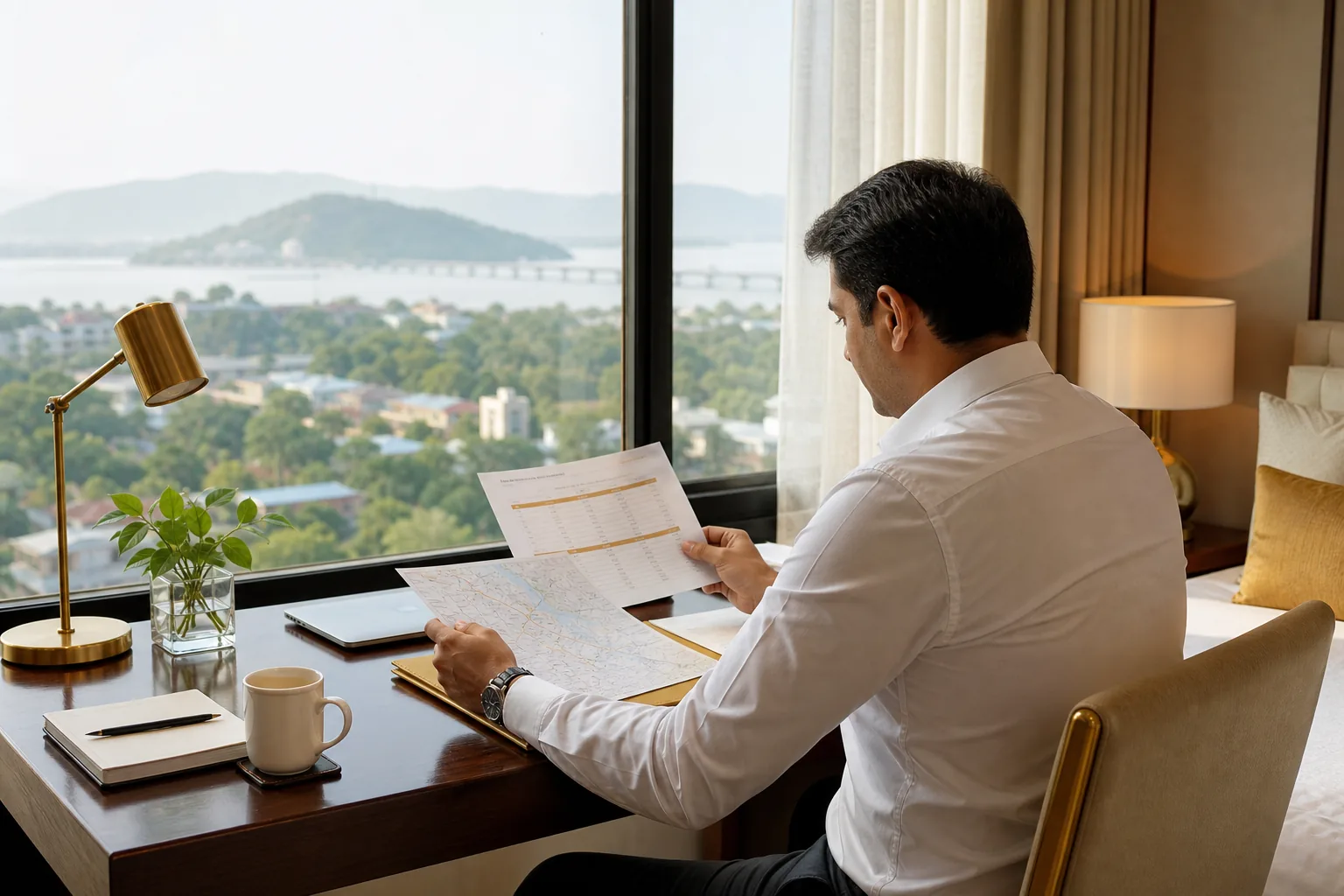
India business travel statistics point to a fast-growing trip count, but the market’s spending picture is harder to read. One forecast puts annual business trips at 92.69 million by 2031, while the available spending figure covers just one year. Here’s how to read the estimates without mixing corporate travel with tourism.
Market size and forecasts: read the definitions first
Business travel usually means journeys taken for work, such as client visits, meetings, conferences, exhibitions and training. It can include transport, lodging and related services. General tourism counts a much wider mix of trips, so tourism totals can’t stand in for corporate travel.
Market estimates also depend on what the publisher counts. One may measure the value of business travel services, while another tracks trips or business-origin spending. Before comparing a figure, check its year, currency, geography and scope. A trip count is not the same measure as market revenue.
Available estimates put Indian corporate trips at 20 million in 2020 and 62.27 million in 2025. The forecast reaches 92.69 million by 2031, more than four times the 2020 count. That’s a useful view of volume, but it’s a forecast, not a confirmed outcome. Read trip estimates with their stated definitions in mind.
For travel teams, the distinction affects planning. Trip volume can help estimate how often staff may need approval or support. It does not show how long each trip lasts, how many nights travellers stay, or what each journey costs.
Recovery and demand drivers: post-pandemic to 2030
The trip series shows a steep rebound after the low point in 2020, followed by continued growth. It gives 20 million trips in 2020, 62.27 million in 2025 and 92.69 million in 2031. These figures describe trip counts, not market value growth.
Corporate expansion can lead to more site visits, sales meetings and staff movement. Trade shows and conferences bring groups together in person. Cross-border work may also require client meetings or project visits. Mergers and acquisitions can involve in-person discussions too, though the trip-count figures don’t break out that activity.
For an employer, recovery is a prompt to revisit the travel rules. Set approval limits by trip purpose, not by a broad “business travel” label. A client visit may need a different approval path from a training day. Keep a record of exceptions, since repeated exceptions can point to a policy that no longer fits how teams work.
Travel modes, destinations and regional demand
Air, rail and road all have a place in corporate travel. Flights suit long distances and time-sensitive visits. Rail can work for inter-city trips where the route and schedule fit. Road travel often connects travellers to sites that sit beyond an airport or rail station. The right mode depends on the route, timing and work purpose.
A reported figure puts air travel at around 46% of trips in 2025. Don’t infer an exact rail or road share from it.
As companies spread operations, regional offices and project sites can create more travel between smaller cities. The business travel market definition and segments also distinguish domestic trips from international ones, which is useful when reading broad market reports.
Destination planning should follow the traveller’s actual work location. A meeting in a regional city may require a flight plus a road transfer, while a nearby visit could make rail or road more suitable. For events, the venue’s location affects the time delegates spend getting between transport and the meeting. Hotel Shiny Grand has a banquet hall for corporate events near Guwahati Airport; its corporate venue guide for airport-side meetings explains the location question for fly-in attendees.
Business trip spending and global benchmarks
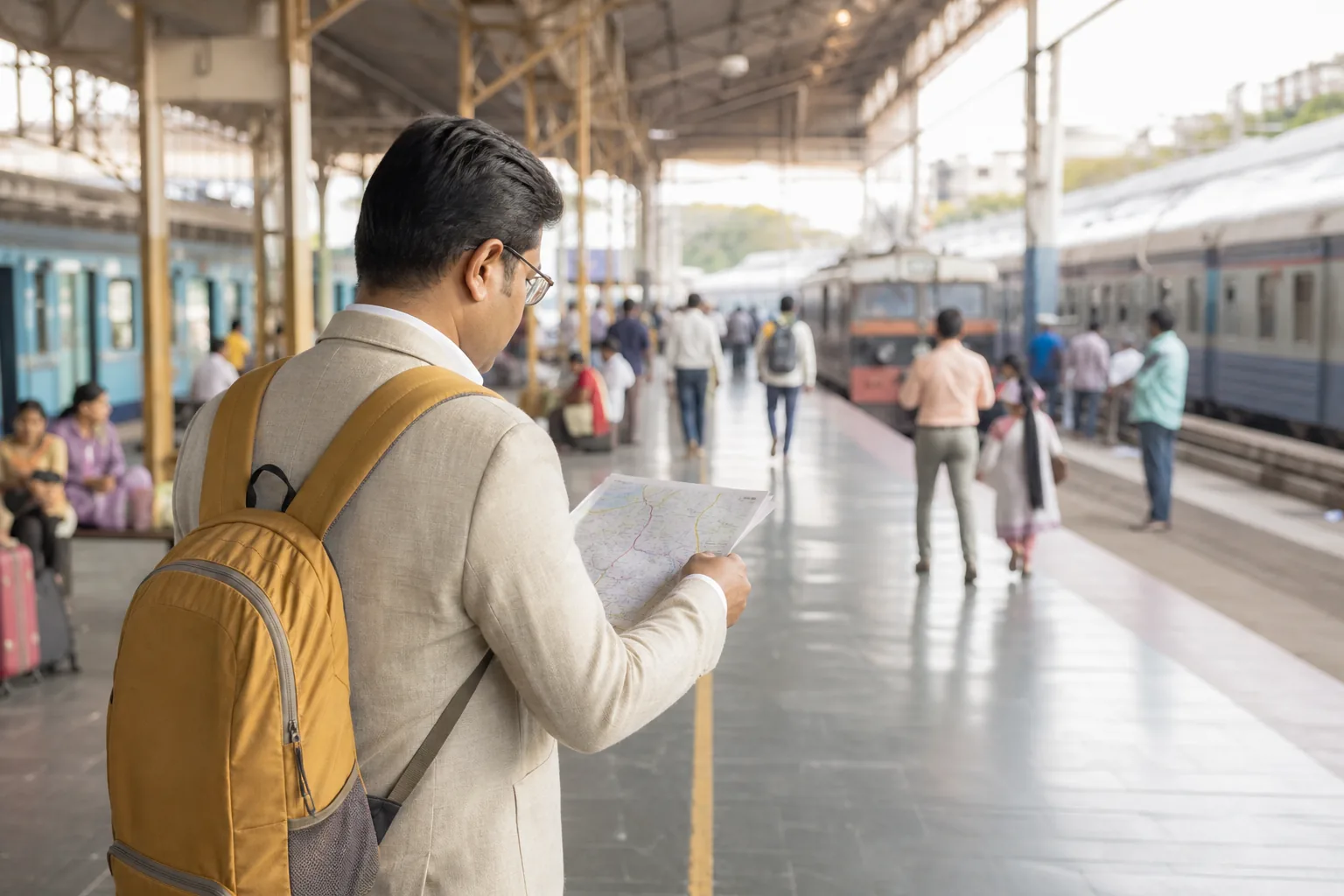
One reported India business travel spending figure is ₹3,170 billion for 2024. It signals a high-value market, but a single year cannot show whether spending rose or fell year over year. That figure is for 2024.
A reliable average cost per trip needs spending and trip counts for the same period, with compatible definitions. Dividing the 2024 spend figure by the 2025 trip count would mix years and measures. It would produce a number, but not a sound average.
For a company budget, break each journey into its actual cost lines. Common items include transport, accommodation and meals. A conference trip may also involve registration or local travel, depending on the company’s policy. The available market figures don’t provide a consistent national breakdown across those categories, so businesses should use their own expense records for budget targets.
Global comparisons need the same care. A global market estimate may include services or regions that an India corporate travel estimate excludes. Compare only figures that use the same year and definition. Otherwise, the result can make a country seem cheaper or larger for reasons that come from the reporting method rather than the traveller’s bill.
For lodging, compare the full stay cost and the terms attached to it. Hotel Shiny Grand lists direct-booking rooms from ₹2,500 per night, taxes extra. Direct bookings include breakfast, Wi-Fi, parking and a one-way airport transfer. Business travellers who need a desk or GST invoice should confirm those details before booking. The Guwahati business-trip hotel checklist covers the items to check against a company’s travel policy.
Traveller profiles, technology and what may change next
There isn’t one typical business traveller. A sales employee visiting a client may need a short, flexible trip. A project team may need several nights near a work site. An event organiser may be coordinating many arrivals around one fixed start time. Planning improves when a company records the purpose and needs of each trip instead of assuming every traveller has the same itinerary.
Digital booking tools can help companies manage bookings and travel controls. For an employer, the useful test is operational: can staff see what’s allowed, get approval before booking, and submit the right expense details afterwards? A digital booking flow only helps when the policy and payment process fit together.
Virtual meetings remain useful for routine updates, but some work still benefits from being in the same room. A team can use remote meetings for a brief status check and reserve travel for a site review, client session or hands-on training. This keeps the reason for each trip clear without treating online and in-person work as substitutes in every case.
Forecasts point to more journeys, but they don’t say how every company will travel. Remote-work habits may reduce some office visits, while new offices or regional projects may add trips. Changes to rail links or flight access could also affect route choices. Companies should review their own travel records at set intervals rather than assume one national forecast describes their workforce.
For a fly-in meeting in Guwahati, the usable details can matter as much as the market trend. Hotel Shiny Grand has Wi-Fi, a 24/7 front desk and a 100-guest banquet hall. Direct room bookings include breakfast and a one-way airport transfer. The hall has meeting equipment and GST invoicing is available for corporate bookings.
Frequently asked questions
How many business trips does India have each year?
One estimate puts Indian corporate trips at 62.27 million in 2025. The projection rises to 92.69 million by 2031. Treat the latter as a projection, not a count of trips already taken. The figure tracks corporate travel trips, so it shouldn’t be compared directly with total tourist visits or general travel activity.
How large is India’s business travel market?
One estimate puts Indian business travel spending at ₹3,170 billion for 2024. That is a spending estimate for one year, while other market reports may use different definitions. It shouldn’t be treated as a trend or combined with a trip count from another year to calculate an average fare or trip cost.
What counts as business travel?
Business travel covers journeys made for work, such as meetings, client visits, conferences, exhibitions and training. Market estimates may include transport, lodging and related services, but the exact scope varies. Check the source’s definition before comparing its market value with tourism spending or another corporate travel estimate.
What share of Indian business trips use air travel?
One estimate puts air travel’s share of Indian business trips at 46% in 2025. Read this as an estimate, not as a definitive split between air, rail and road.
Conclusion
Use the trip forecast to plan capacity, but use your own expense records to set per-trip budgets. If a business visit brings your team to Guwahati, check direct room rates and meeting details at Hotel Shiny Grand’s website.
For official context, see the Ministry of Tourism, Government of India and the India Brand Equity Foundation. Figures change, so confirm current numbers at the source.