Home › Blog › Meghalaya Tourism Statistics: Trends and Travel Context
Meghalaya Tourism Statistics: Trends and Travel Context

Meghalaya’s reported visitor counts fell sharply between the figures for 2025 and 2026. The latest Meghalaya tourism statistics show what changed, what they can’t tell us, and how to use them when planning a trip from Guwahati.
The Latest Published Meghalaya Visitor Statistics
The reported counts are 515,320 domestic arrivals and 2,516 international arrivals for 2026. The comparison figures for 2025 are 1,848,239 domestic arrivals and 7,116 international arrivals. Read them as counts for the stated years, not necessarily full-year totals.
The year-to-year change is steep. Domestic arrivals fell by about 72%, while international arrivals fell by about 65%. The release gives two visitor categories, so these figures are best read as category counts rather than a complete measure of tourism activity.
The linked page labels the counts by year, but the figures alone don’t tell a traveller whether each year covers the same number of months. Keep that limit in mind before treating the change as a full-year comparison.
The table shows the reported counts and the narrow conclusions they support. It does not estimate visitor spending or rank districts.
| Visitor group | 2025 count | 2026 count | Change | What the comparison supports |
|---|---|---|---|---|
| Domestic arrivals | 1,848,239 | 515,320 | About 72% lower | A sharp fall in the reported domestic count |
| International arrivals | 7,116 | 2,516 | About 65% lower | A sharp fall in the reported international count |
These totals are statewide. They can’t show which district received the most visitors or whether a specific town gained or lost travellers. A district ranking needs district-level counts for matching periods.
Nor do arrivals alone establish a record high, calculate tourism revenue, or provide a revenue forecast. Those questions need measures such as visitor spending and length of stay. For a trip, use the counts as broad context, then check the dates and conditions that shape your own route.
Domestic and Foreign Visitor Trends
Domestic arrivals make up the much larger count in both years shown. The domestic figure fell from 1,848,239 to 515,320, while the international figure fell from 7,116 to 2,516. Both groups moved in the same direction, but the counts describe volume, not the reasons people travelled.
National visitor totals can offer broader context, but the measures used may differ from Meghalaya’s counts. They should not be treated as a direct comparison.
Broader tourism figures may offer context, but measures can differ from Meghalaya’s counts. Comparing national and state totals may suggest differing patterns, but it does not explain why. The numbers don’t identify whether the cause was access, weather, promotion, changing travel choices, or how periods were counted.
Visitor profiles matter too. A family on a short holiday may plan a different route from a person travelling for work or a foreign guest on a longer trip. These four Meghalaya counts don’t separate visitors by age, purpose, home state, length of stay, or district. So they can’t show which kind of visitor drove the change.
The figures also don’t tell us how the pandemic shaped a longer recovery. A two-year comparison can show a reported drop, but it can’t trace a full timeline before and after travel restrictions. For that, a consistent series covering more years would be needed.
When reading reports, check whether the measure is tourist visits, tourist arrivals, or people. Those terms may describe different counting methods. The label matters: one traveller making several visits may be counted differently from one unique visitor.
If you’re planning a walking trip, the Living Root Bridges travel guide from Guwahati can help you think through a specific itinerary. It’s a useful next step when statewide figures don’t answer the usable question: where will your days actually be spent?
For now, the clearest trend is simple: both reported groups fell between the two year labels. Any explanation beyond that needs more detailed evidence than the totals provide.
Seasonality, Reporting Periods and Data Limits
Meghalaya’s weather changes across the year, so visitor counts can shift with the season.
That pattern gives travellers useful context, but it doesn’t prove that weather caused the reported fall. The visitor counts don’t break down arrivals by month. Without monthly figures matched to the same reporting periods, there’s no sound way to connect a particular season with the year-to-year change.
Conditions can vary with elevation, and weather can remain unpredictable throughout the year. A trip to the hills can bring different temperatures and rainfall from one area to another, so check the weather information for your route rather than relying on a state-wide seasonal label.
When you read a count, look for four details: the dates covered, the type of visitor counted, whether the number is an arrival or a visit, and whether the same method was used in both years. If any of those change, the two numbers may not be directly comparable.
A short reporting period can also look very different from a full year. That’s why the year labels alone aren’t enough to call the 2026 figure an annual total. Treat it as a reported count until the period covered is clear in the source.
Statewide totals also hide local differences. A visitor count for the whole state can’t tell you how many people went to Shillong, Sohra, or another district. Nor can it show how many stayed overnight instead of passing through.
For trip timing, compare the weather with the kind of day you want. A monsoon journey may suit someone hoping to see full-flow waterfalls, while a drier spell may make walking and road travel easier to plan. The Northeast India monsoon travel notes cover what to consider when rain is part of the itinerary.
Seasonality can help explain travel conditions. It should not be used as a shortcut explanation for a change in visitor counts.
What the Numbers Mean for Planning a Meghalaya Trip
For a traveller, the reported fall doesn’t tell you whether a particular road, attraction, or service will be busy on your dates. Plan around the route and season you have in mind, then check current local conditions before setting out.
Guwahati is a common gateway for trips into Meghalaya. Traffic, rain, road works, and stops can affect the journey.
Check travel information as you plan your onward transport. Check your onward transport plans before you book a flight, especially if you need to reach Shillong soon after landing.
For a multi-day trip, leave room for weather changes. A flexible plan gives you more options if rain affects a walk or road journey. If waterfalls or outdoor activities are the main reason for travel, confirm local access and safety guidance close to your travel date.
Hotel Shiny Grand is in Guwahati and has rooms for travellers who want to begin or end a Northeast trip in the city. Direct bookings include breakfast and one complimentary one-way airport transfer (pickup or drop). Share your flight details when arranging the stay so the transfer can be planned around your arrival or departure.
That can be handy when your flight lands late or you have an early onward start. Hotel Shiny Grand has a 24/7 front desk, and direct booking rates begin at ₹2,500 per night before taxes. For room details and booking, visit the Hotel Shiny Grand website.
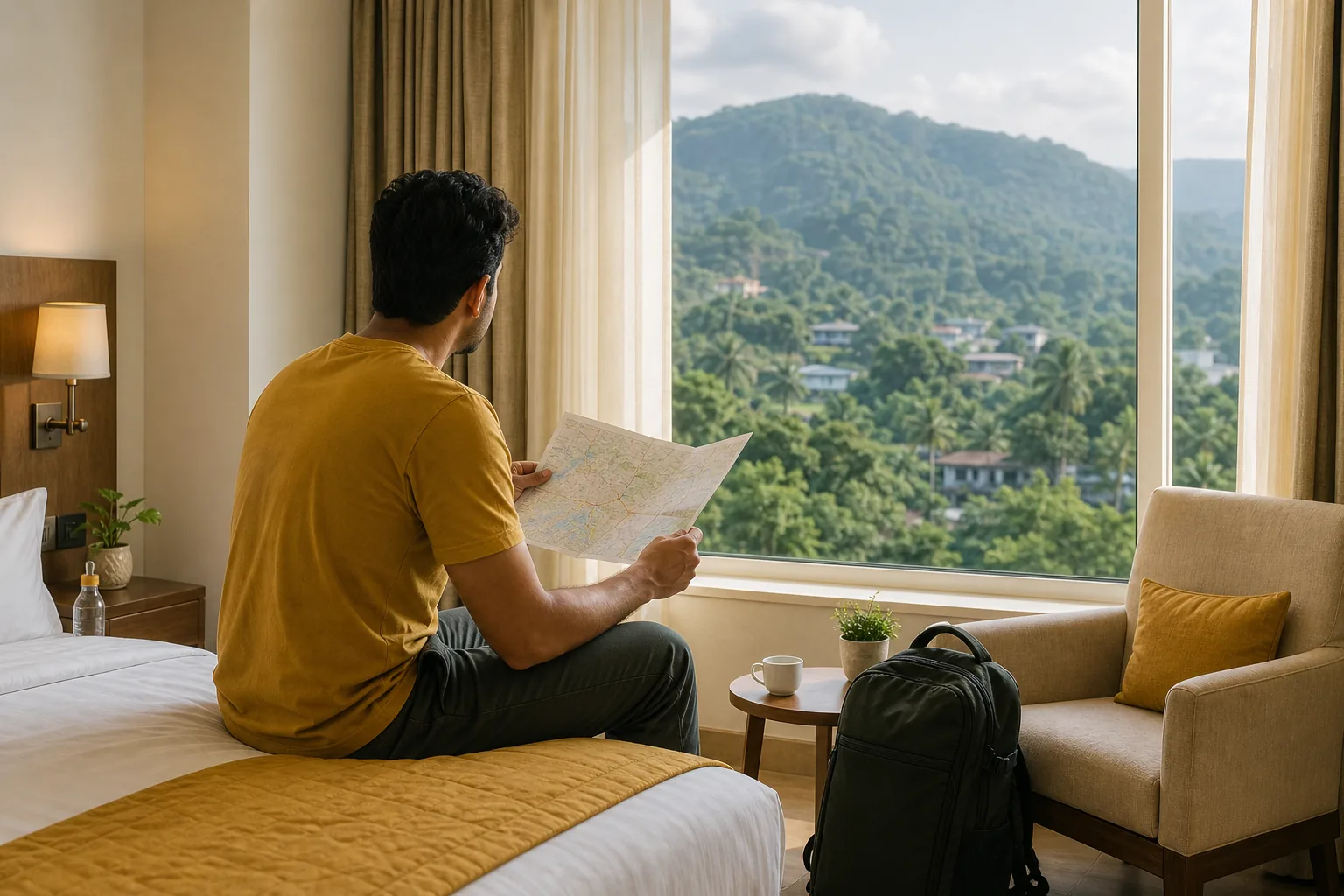
Think of visitor counts as background, not a booking forecast. Your dates, weather, transport, and the time you need to reach your next stop are more useful for making the plan.
Frequently Asked Questions
How many tourists visited Meghalaya in 2026?
The figures used here list 515,320 domestic arrivals and 2,516 international arrivals for 2026. These are the two visitor categories reported. Check the coverage period before treating the counts as full-year totals, since the year labels alone don’t establish how many months are covered.
Did Meghalaya tourism increase or decrease?
The reported counts decreased between the 2025 and 2026 figures. Domestic arrivals fell from 1,848,239 to 515,320, while international arrivals fell from 7,116 to 2,516. The figures show the direction of change in those categories, but they don’t explain its cause or establish a complete measure of tourism performance.
Which season is best for visiting Meghalaya?
It depends on your plans. Winter is generally the drier season, while the monsoon brings strong rain and full-flow waterfalls. Weather can vary by area and altitude, so check conditions for the places on your route. Allow extra time for road travel if rain is expected.
Do these figures show which Meghalaya district gets the most tourists?
No. The counts discussed here are statewide totals, so they can’t rank districts or show where visitors spent their time. A district-level comparison needs matching arrival figures for each district and reporting period. Use local travel information when choosing specific stops.
Conclusion
The latest reported figures show a sharp fall in both domestic and international arrivals, but they don’t explain why or predict how busy your trip will be. Check the source period, review current weather, and confirm your route before you travel. If your journey starts or ends in Guwahati, you can book direct with Hotel Shiny Grand and share your flight details when arranging the included one-way airport transfer.